
10 Inspiring Ideas for Open Plan Living
Posted on September 04 2025

Open plan living is a design approach where walls and doors are minimised to create one large, connected space. Typically, it combines the kitchen, dining, and lounge into a single layout. The result is a home that feels brighter, more sociable, and easier to adapt to modern lifestyles. Many families enjoy the openness for entertaining, while others appreciate how it maximises natural light and space.
However, open plan living does have its challenges. Without careful design, large areas can feel empty, noisy, or lacking in warmth. The good news is that with the right strategies, you can enjoy the sense of space while still maintaining comfort and function. Here are ten inspiring and practical ideas to help you style an open plan home that feels both connected and welcoming.
1. Design with Flow in Mind
The success of open plan living depends on how well the rooms flow into each other. The goal is to create a seamless journey that feels natural rather than disjointed.
Keep Flooring and Ceilings Consistent
- Use one type of flooring throughout to visually connect the spaces. Timber, polished concrete, or large-format tiles all work well.
- Carry through ceiling treatments and repeat similar lighting fixtures for harmony.
Encourage Natural Pathways
- Place furniture in a way that invites movement rather than blocking it.
- Choose low-profile pieces in compact areas to avoid disrupting circulation.
Repeat Design Elements
- Carry through finishes such as timber, stone, or metal details.
- Use matching curtains or blinds to visually link separate zones.
These simple choices ensure that while each area serves a purpose, the overall layout feels like one continuous environment.
2. Create Cosy Zones
Large spaces sometimes lack intimacy, which can make them feel impersonal. Creating smaller, defined areas adds warmth and character.
Use Furniture Placement
- Group sofas and armchairs into conversational clusters.
- Add side tables to anchor a seating arrangement.
Layer Rugs and Lighting
- Place a rug under a sofa set to signal a lounge zone.
- Use table lamps and floor lamps to enhance intimacy.
Add Texture for Warmth
- Incorporate wool throws, linen cushions, or woven rugs.
- Mix natural fibres with timber to soften the space.
For example, a reading corner with a chair by the window, a textured rug, and a floor lamp becomes a private retreat within a larger open plan design.
3. Choose Multi-Functional Furniture
In an open-plan home, every item of furniture should earn its place. Choosing multi-functional pieces helps prevent clutter and supports flexibility.
Invest in Adaptable Designs
- Modular sofas that can be rearranged to suit different occasions.
- Extendable dining tables for everyday meals and larger gatherings.
- Ottomans with built-in storage to keep clutter hidden.
Use Furniture as Dividers
- A console table behind a sofa separates the lounge from the dining zone.
- A kitchen island acts as both a cooking space and a casual dining area.
By selecting furniture that adapts to changing needs, you maintain flow and prevent the space from feeling overfilled.
4. Use Colour to Connect Spaces
Colour is one of the most powerful ways to bring cohesion to open-plan living. A well-chosen palette unites the entire space while still allowing each area to feel distinct.
Choose a Consistent Base
- Neutral foundations such as soft greys, warm whites, or beige tones create harmony.
- Flooring, cabinetry, and wall colours should relate to one another.
Introduce Accent Shades
- Add a bold wall colour in the dining area or a statement piece in the living room.
- Repeat the same accent shade in smaller details, such as cushions or artwork, across adjoining spaces.
Colour is also a subtle way to define zones without using partitions. For example, a navy feature wall behind the dining table distinguishes the area while still connecting to the softer tones of the lounge.
To continue your colour story beyond open-plan spaces, you might enjoy exploring ideas for interior door colours that can transform an entryway.
5. Highlight Focal Points
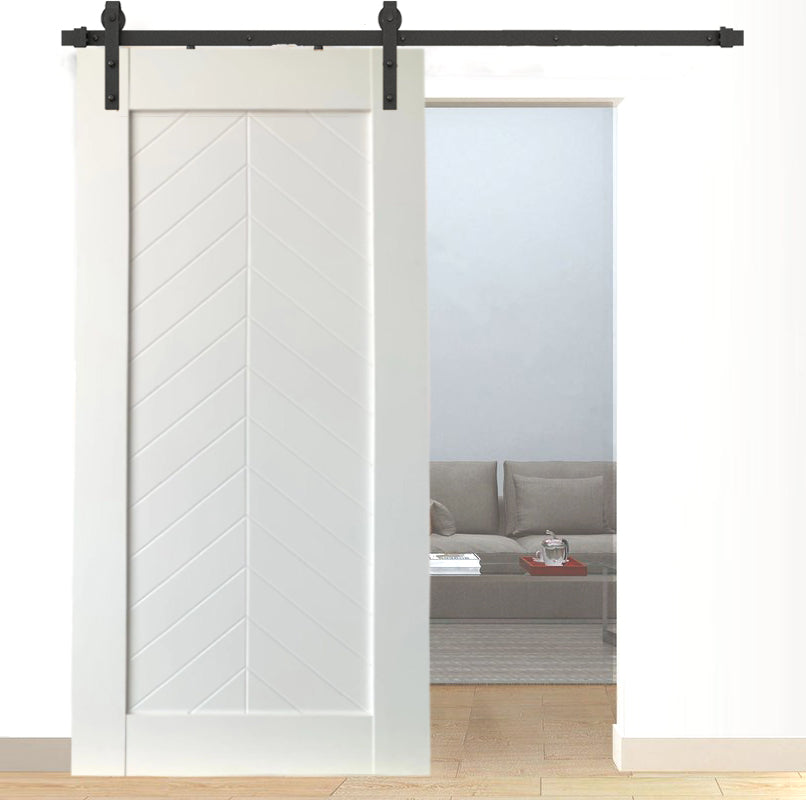
Every successful open plan design includes visual anchors that guide the eye and bring order to the layout. These focal points prevent the space from feeling overwhelming.
A striking pendant light above the dining table draws attention and gives the area presence. A fireplace, artwork, or a large window with a view can serve the same role in the living zone. Sliding barn doors also make excellent focal points, providing both style and function when used to separate areas.
By choosing one or two standout features in each zone, you ensure that the open plan space feels intentional and balanced.
6. Separate Spaces Creatively
Although the appeal of open plan living is in its openness, sometimes separation is necessary for comfort and practicality. The key is to divide areas without losing the sense of flow.
Bookshelves, room dividers, or folding screens can break up large areas while still allowing light through. Sliding barn doors are an especially elegant solution, giving you the option to close off the kitchen when cooking or create privacy in the lounge. Unlike permanent walls, they provide flexibility so you can adapt the layout to suit your needs.
This approach reflects a broader trend in modern homes, where many people are reconsidering whether entirely open layouts always fit their lifestyle.
7. Define Areas with Lighting
Lighting can shape the mood and purpose of different areas within an open plan design. Instead of relying on one overhead fixture, layer lighting to create depth and function.
Use Task and Ambient Lighting
- Pendant lights over the dining table create a sense of intimacy.
- Recessed ceiling lights highlight the kitchen workspace.
- Table and floor lamps bring warmth to the lounge.
Create Atmosphere with Layers
- Combine dimmable ceiling lights with softer lamps for flexibility.
- Use lighting to guide the eye towards focal points such as artwork or feature furniture.
With the right mix, each zone has its own personality, yet the whole space feels harmonious.
8. Maximise Sight Lines
Open plan living works best when the eye can travel across the space without interruption. Clear sight lines make the area feel larger, brighter, and more welcoming.
Position furniture so that it complements the openness rather than blocks it. Keep taller items, such as bookcases or shelving units, against walls rather than in the middle of the room. Large windows or glass doors leading to an outdoor space can become natural focal points, extending the view beyond the interior.
By prioritising sight lines, you protect the sense of openness that makes this design style so appealing.
9. Blend Boundaries Softly
Sometimes you do not want sharp divisions between areas, but rather subtle hints that one zone ends and another begins. Soft boundaries achieve this balance.
Glass barn doors are one option, offering separation while still letting in light. Sheer curtains, open shelving, or partial partitions provide definition without closing the space entirely. These solutions are ideal for families who want flexibility, as they maintain connection while giving just enough privacy for different activities to coexist.
10. Divide Large Spaces with Style

In homes with large spaces, stylish dividers can make a dramatic difference. Folding screens, sliding panels, or statement barn doors add character while breaking up the layout into more manageable sections.
The advantage of these features is their adaptability. Unlike fixed walls, they can be opened or closed as needed, giving you the best of both worlds. This flexibility also answers a common question: Is open plan living a good idea? The answer is yes, particularly when you have creative ways to tailor the layout to your lifestyle.
Alternatives to Open Plan Living
While open plan living remains popular, some homeowners are exploring alternatives that provide a different balance of space, privacy, and style. This shift reflects changing lifestyles, especially with more time being spent at home.
Broken-Plan Layouts
Instead of one completely open space, broken-plan design uses partial partitions, furniture, or sliding doors to define zones. This approach maintains light and flow while giving each area a sense of individuality. For example, a kitchen may be separated from the lounge by a sliding barn door, allowing noise and cooking smells to be contained when needed.
Semi-Open Designs
Semi-open layouts feature connected spaces with subtle divisions such as half walls, glass partitions, or wide openings between rooms. They create a sense of openness without the challenges of managing one vast space.
Return of Traditional Floor Plans
Some homeowners are choosing to reinstate more traditional layouts, especially for kitchens. Closed kitchens offer privacy, reduce noise, and make it easier to keep mess out of sight during entertaining.
The Middle Ground
Sliding barn doors are the perfect compromise between open and closed layouts. They allow you to enjoy the flexibility of open plan living while offering the option to separate spaces when privacy or quiet is required. Unlike permanent walls, they can be opened or closed at will, ensuring your home adapts to your lifestyle rather than the other way around.
Conclusion
Open plan living continues to be a popular design choice, offering brightness, flow, and versatility. The challenge lies in achieving balance: openness without emptiness, connection without clutter, and flexibility without compromise. By paying attention to flow, colour, focal points, and thoughtful zoning, you can create a home that feels both spacious and comfortable.
Although some design trends point to the return of more traditional floor plans and closed kitchens, open plan living still thrives when it is planned carefully. With the addition of adaptable features such as sliding barn doors, you can enjoy an airy and welcoming home that also provides privacy when required.
Start transforming your space today by exploring Au Barn Door’s elegant range of sliding barn doors, designed to complement open plan living beautifully.
